
Building Worlds
from comprehension to creation and back again

Growing up in the 1970s and 80s, I was constantly immersed in imaginary spaces. It was the age of Marvel comic books, Dungeons & Dragons, and Star Wars. In 1977, when Star Wars was released, my friends and I saw it seven times. We collected the toys, displayed them proudly, and escaped to our basements to invent new alliances and narratives.
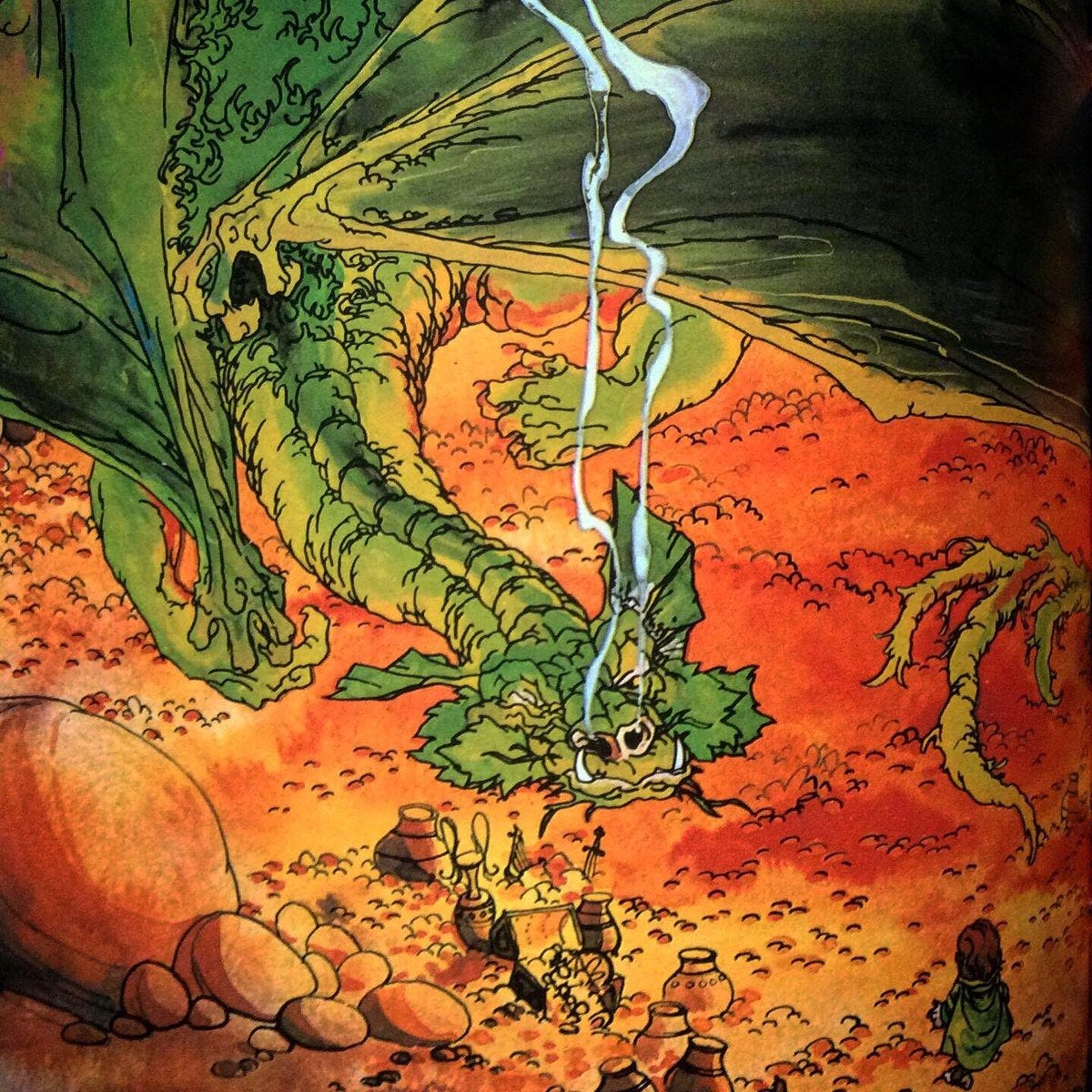
Every week I visited our local comic book store, sorting through hundreds of used comics and purchasing two dollars’ worth at twenty cents each. In my bedroom, I had a poster of Bilbo Baggins confronting the dragon Smaug from the Rankin/Bass animated The Hobbit. We played a variety of role-playing games that had recently been invented, including Dungeons & Dragons, Marvel Super Heroes, and Gamma World. It is no coincidence that Stranger Things took place in southern Indiana, the same place where I grew up, and that the lead characters in the series graduated from high school the same year I did: 1989.
And then I went to high school.
Not wanting to be seen as a “nerd,” I put all of this aside. I stopped collecting comics, stopped reading them, and stopped playing games. As I grew older, though, I didn’t stop entering imaginary worlds; they simply became the worlds of “respected” literature, from Shakespeare to Faulkner to Morrison to Márquez.
Game of Thrones Teacher Night
At our school Habla, we had a group of young teachers that were devoted fans of Game of Thrones. They would all gather every week for a viewing party. I joined them for the final episode, and being the oldest guy in the room, they asked if I had ever played Dungeons & Dragons.
I confessed that I had played in middle school, and they asked if I’d run a game for them. I hadn’t played in years, so I bought a Starter Set, and we began.
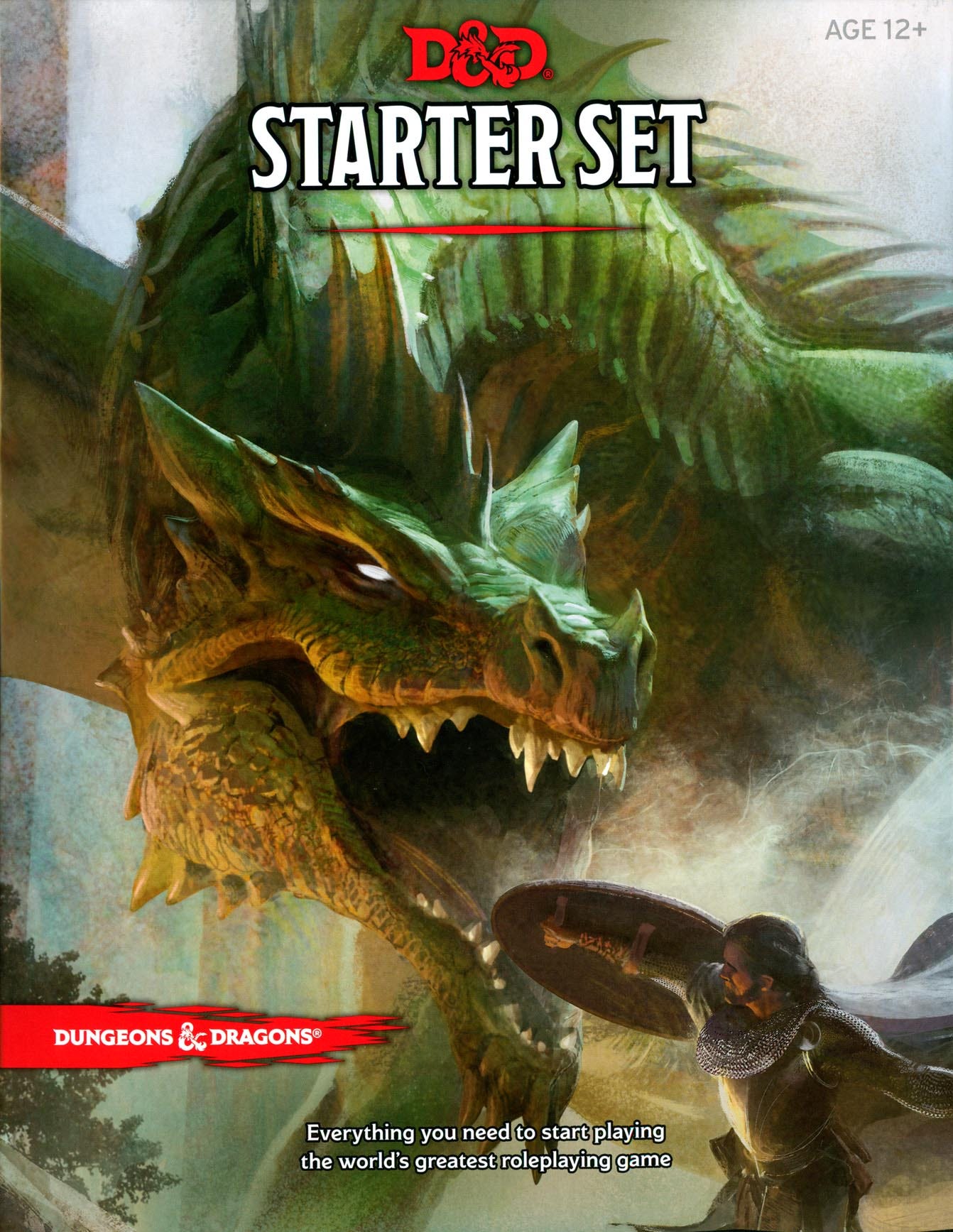
For those unfamiliar with D&D, the game is run by a person called the DM, or Dungeon Master. Their job is to build the world the other characters will inhabit and to guide them through it—creating an open world of NPCs (non-player characters), quests, and challenges. Everyone else creates a character with a backstory and personality. Although there are mechanics to the game, it is essentially about building an imaginary world together.
With a group of educators—mainly English and art teachers—playing D&D together, we became interested in how we might bring this idea of world-building into our classrooms.
Ian Wiggins, one of the teachers, taught English language learners and created an experiment in his classroom based on the premise that students collaboratively building an imaginary world would generate more written and oral language than a conventional ELL curriculum. He taught students who were just beginning to learn English. Rather than beginning with the usual basic grammar curriculum, he began by building a world with his students.
Ian explains:
After we finished our exploration of imagined worlds in film and fiction, we started to think about how we might create our own. We began with the fundamentals of what we know to be true: the land, geography, native plants, climates, animals, and how those things shape the cultures, languages, and beliefs of the people who inhabit those lands. Then we set out to design our own worlds, starting with geography, climate, plants, and animals. From there we asked ourselves: What might they eat? How might they dress? What gods, monsters, heroes, or stories might fill their world, imaginations, and religions?
The semester culminated in an exhibition in which students presented their imaginary worlds to their families.
Kids on Bikes
During the pandemic, we had to shut down our school in Mexico. With the unused building, we gathered a few families together to create classroom pods. The parents shared the teaching load, and my area was 1st- and 4th-grade English language arts.
Given how strange those times were, I didn’t want to teach a conventional language arts curriculum: read a book, discuss it, and write. Our D&D gaming group had branched into other role-playing games—games in which you build a world and inhabit different characters within it.
I saw the potential of RPGs for language development, particularly because the 4th graders were a diverse group in terms of English proficiency.
With Ian’s teaching as inspiration, I proposed to the students the idea of basing the class on an RPG and asked what kind of world they would like to spend the semester in: fantasy, science fiction, cute and cozy, folklore, mystery, frontier, post-apocalyptic.
Most people only know D&D, but there are over 13,000 published role-playing games, so we could almost certainly find one to match their interests.
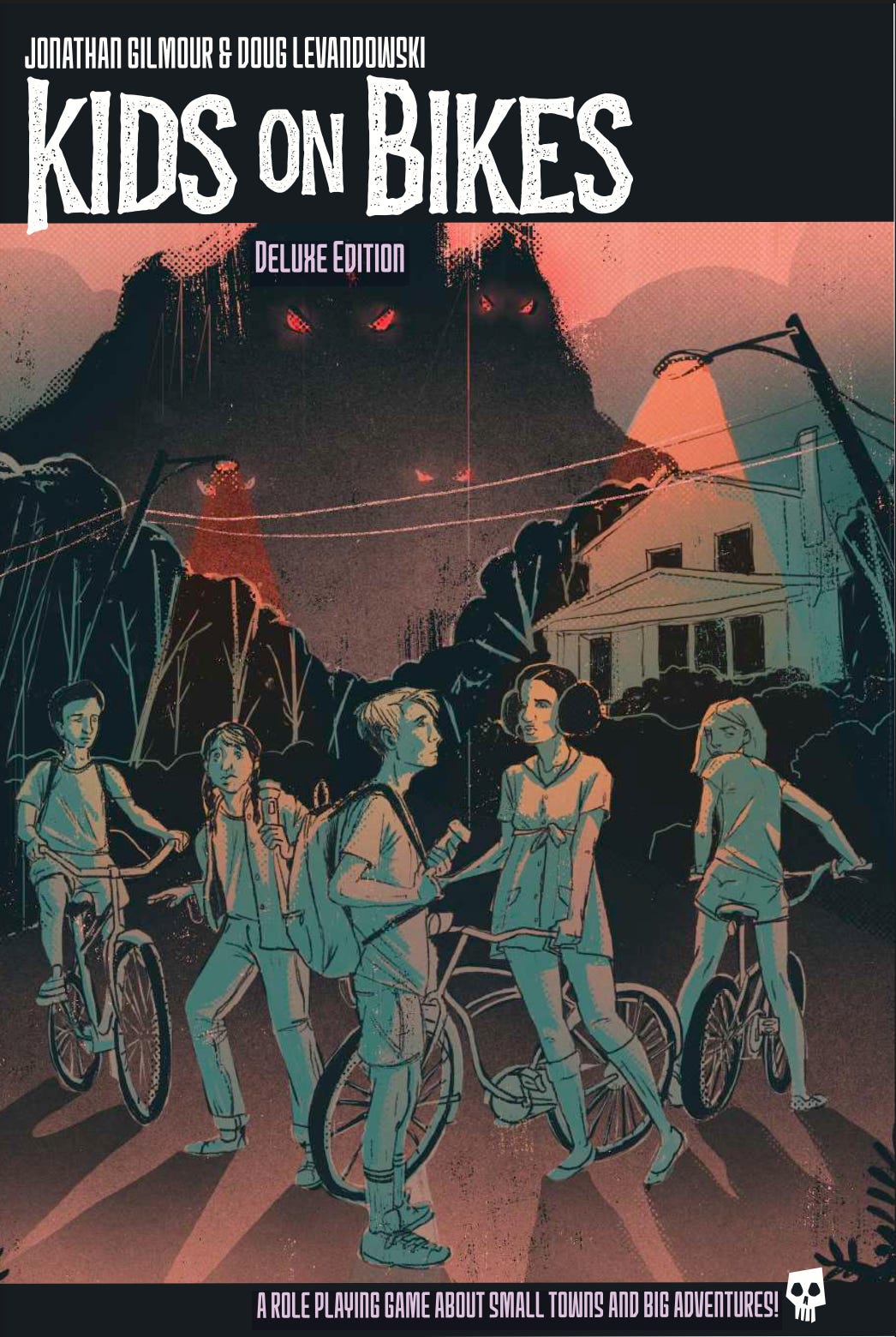
The Netflix series Stranger Things was popular at the time, so they asked whether that was a possible theme. Game designers Jonathan Gilmour and Doug Levandowski created Kids on Bikes, a role-playing game inspired by Stranger Things and the 1980s influences behind it—films like E.T., Close Encounters of the Third Kind, and The Goonies.
Building a Town
At the beginning of the Kids on Bikes rulebook, in a section called “World Building,” the authors offer this prompt:
Kids on Bikes should probably be set in a small town at any point in history
before everyone had a video camera in their pocket at all times. It should
probably be a place remote enough that the rest of the world just doesn’t
care about it but close enough that black helicopters can be there within
hours. Everyone in the town probably knows everyone else — for better
or for worse. People look out for each other, but rumor also travels fast. Ultimately, though, this is all up to you.
They then offer prompts to help the group create their own imagined town:
Our adventure takes place in… (name of town and state)
The industry our location is best known for is…
Our town is famous for…
Our town is infamous for...
Economically, our town is… (prospering, floundering, stagnant, etc.)
A notable local organization is…
A notable local landmark is…
Our school’s sports team is called…
I gave the class these prompts, and they collaboratively went to work. Their job was to build a map of their town and keep a town chronicle.
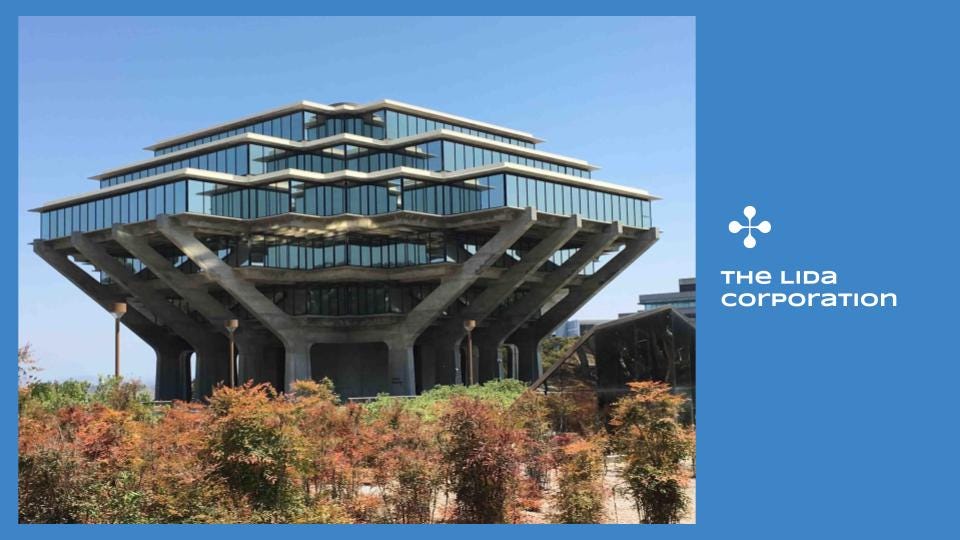
The town chronicle was the class’s shared responsibility. They chose a town historian for each session, a role that rotated from class to class. The chronicle was paired with a Google Slides deck that gave students space to add images and media that extended their world-building. For instance, there was a research laboratory in their town, Whitewood, called The Lida Corporation.
Creating Characters
The students then created the characters they wanted to play. Kids on Bikes sets up character creation with the following paragraph:
The core of any RPG is the character you’ll be embodying. You and your GM [Game Master] should work together to agree upon a character you’ll be excited to play. One who reminds you of yourself in important ways — but who also is different
enough from you to be an escape from the real world.
The game then walks the players through a detailed character creation process involving selecting personality traits, motivations, fears, relationships to other characters at the table, skills, and even what they have in their backpacks.
Each character also had their own journal. This was an English class, after all, and I wanted to ensure that students were consistently writing in English. The town chronicle belonged to the whole class. The character journal ensured that every student tracked their own progress through the adventure while allowing for deeper character development as the story unfolded.
Once we finished sketching the basics of their characters, I asked students to write a character profile in their journals. As we all know, getting 4th graders to write extensively can be challenging.
The students in this class wrote silently for the final thirty minutes and then took their journals home to continue writing.
The Adventure Begins
Each class became a day in their characters’ lives in Whitewood.
They began by reading the Whitewood News, a newspaper I created for each session with the latest gossip and events. I would set the scene, and then they would narrate in third person how their characters were beginning the day. Soon the characters would ride their bikes to meet up, and the story would begin.
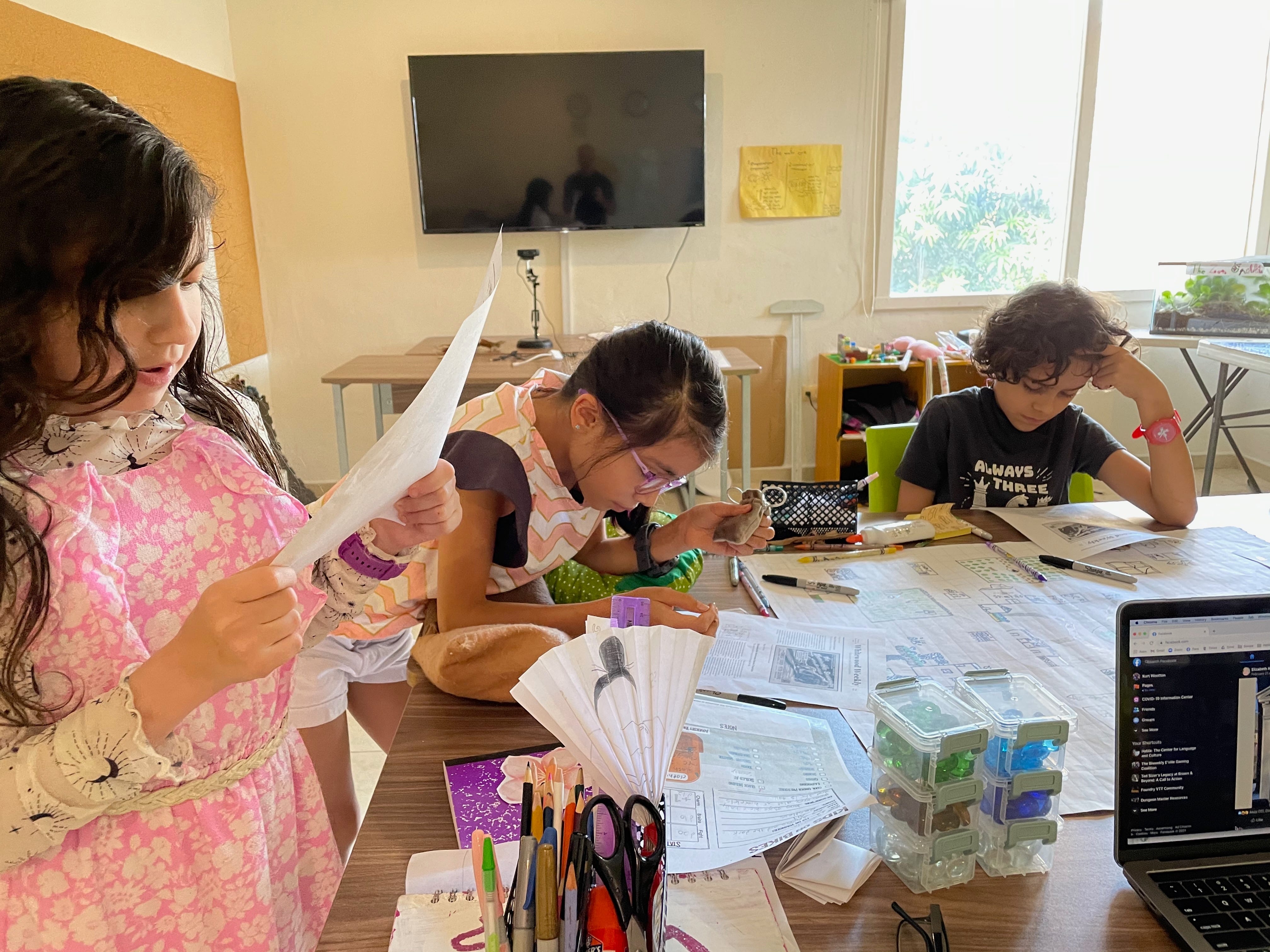
They moved fluidly between narrating their characters’ stories in third person and improvising scenes together. We often left the classroom to act out scenes or adventures outdoors.
Supplemental Texts
In addition to the adventures unfolding in class, the homework involved students choosing mystery books they wanted to read.
I introduced them to one of my childhood favorites, The Boxcar Children, and they became hooked on the series. Together we also researched contemporary mysteries. Every two weeks, students shared what they had read, what they thought about it, and whether they would recommend it to each other.


Because they were reading within one genre, it gave us the opportunity to discuss common narrative structures, character tropes, and recurring themes.
Series like The Boxcar Children often follow a fairly predictable structure. As students read more, we paid particular attention to moments when books broke from genre expectations. This led to conversations about innovation and “thinking outside the box,” and students began searching for stories that surprised them through diverse characters or plot twists.
These discussions then informed the story we were creating through the role-playing game. It pushed them beyond predictable storytelling and encouraged them to take risks in their improvisation.
Experiments in World Building
Much of our students’ lives are filled with consuming information. Movies, television, video games, and books all offer compelling imaginary worlds to enter. Even a robust literature curriculum is often designed around students reading a sequence of books.
In Second Words: Selected Critical Prose, 1960-1982, Margaret Atwood points out how critical reading is to being an effective writer:
“It is my contention that the process of reading is part of the process of writing, the necessary completion without which writing can hardly be said to exist.”
Students do need to read extensively to develop literacy.
What I believe we do not do enough of in schools is give students the agency to know that they can also create—that they have the power to bring something new into the world.
World-building does not require a full RPG campaign or even an elaborate setting. We’ve been experimenting with curricula that involve reading Mesoamerican myths, writing origin stories for imaginary worlds, and designing galaxies of planets that combine science and the humanities (more on that soon).
The goal is not to choose between reading and creating, but to let each deepen the other. The richest literacy experiences happen when students move back and forth between entering worlds imagined by others and building worlds of their own.
I connected with how you shared that you had to abandon the world of world building from hour childhood, but that you continue to live only that world but now labeled “respected”literature . I think I share the experience.
It was “one Hundred Years of Solitude” that brought me back to that world of imaginary worlds! 🙌🏼🙌🏼. It is all the same, the world of stories, read, shared, created
I've played many board games but could never get into world building role-playing games. I don't think I ever found the right DM (dungeon master).
This post, however, has laid out beautifully how it could be done. I feel inspired to bring it to the English teaching team I work with for their fiction unit. Even just the character and world building parts of it would totally engross students with the right hook.
Now to work on the hook...
Does anyone have any ideas for how they would introduce this to students? All welcome! Thanks in advance! :)